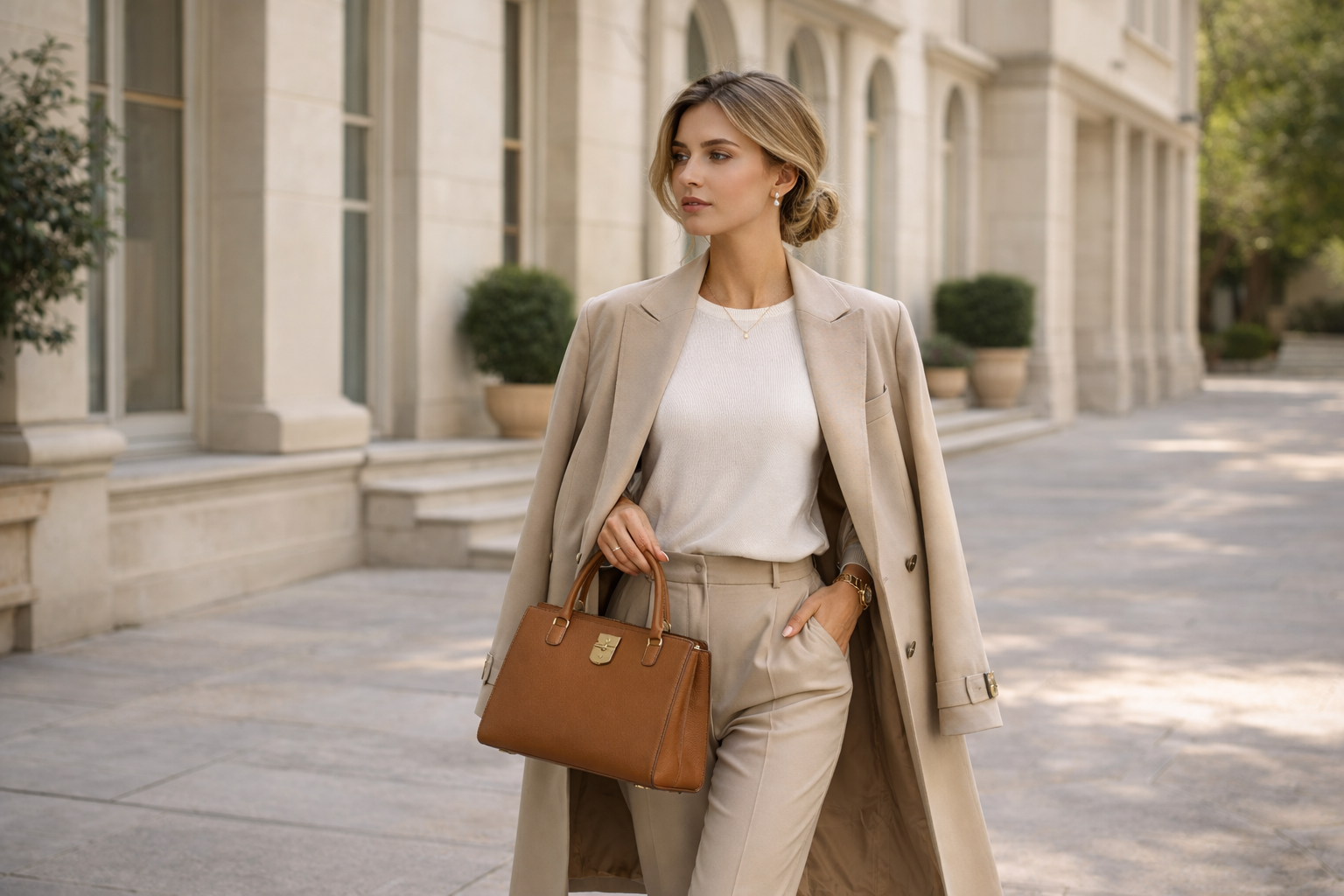
There’s a reason the old money aesthetic continues to dominate Pinterest boards, TikTok mood edits, and capsule wardrobe conversations. It’s timeless, elegant, and effortlessly refined. Unlike fast-moving micro-trends, old money style is rooted in classic wardrobe staples, neutral colour palettes, and understated luxury.
Old money style isn’t about looking rich. It’s about looking like you’ve never had to try.
But what exactly is the old money aesthetic?
How is it different from preppy style, rich girl aesthetic, or quiet luxury?
And can you actually achieve the old money look on a budget?
This complete guide breaks down everything you need to know – from defining characteristics and wardrobe essentials to styling tips and celebrity inspiration.
Let’s get into it.
What Is the Old Money Aesthetic?
At its core, the old money aesthetic is about inherited taste, timeless dressing, and quiet confidence.
It reflects generational wealth culture – where style is passed down, not bought overnight. The clothing feels intentional but not curated for social media. Nothing screams for attention. Nothing relies on logos. Nothing feels seasonal.
Old money style is:
- Neutral and understate
- Tailored but relaxed
- Logo-free
- Timeless rather than trend-driven
- Built around repetition
And most importantly – the wearer looks unbothered.
It’s the opposite of loud luxury. There are no oversized designer logos or viral silhouettes. Instead, the focus is on classic pieces that could be worn for decades without looking outdated.
Old money style says:
“I’ve always dressed this way.”
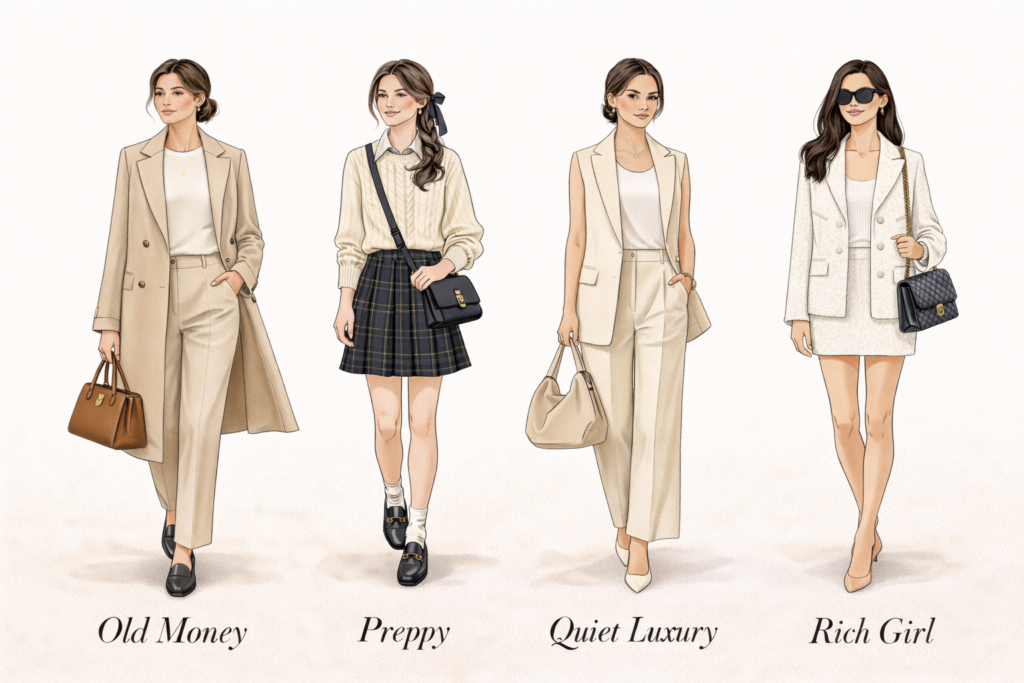
Old Money vs Preppy vs Rich Girl vs Quiet Luxury
These aesthetics overlap visually, but their intention and energy are completely different.
Here’s a simplified breakdown:
| Aesthetic | Core Idea | Vibe | Key Traits | What It Prioritises |
| Old Money | Inherited taste & restraint | Effortless, understated | Tailoring, neutrals, minimal jewellery | Longevity & repetition |
| Preppy | Collegiate tradition | Polished, structured, youthful | Plaids, stripes, layering | Coordinated styling |
| Rich Girl | Visible affluence | Trendy, glamorous, bold | Logos, statement pieces | Status |
| Quiet Luxury | Modern minimal wealth | Sleek, curated, minimalist | Clean lines, premium fabrics | Subtle but intentional refinement |
The Key Differences Explained
- Preppy style embraces tradition but feels more styled and youthful (think plaid skirts and layered sweaters).
- Rich girl aesthetic is trend-aware and often logo-heavy.
- Quiet luxury aesthetic is modern, minimalist, and carefully curated.
- Old money aesthetic looks the least curated of all – it appears natural and effortless.
Old money style doesn’t try to look expensive. It simply looks established.
The Overall Vibe of Old Money Style
The old money aesthetic carries a specific energy. It feels:
- Calm and composed
- European-inspired
- Slightly private
- Confident without being flashy
- Grounded in tradition
Imagine countryside estates, tailored blazers over shoulders, crisp white shirts, silk scarves tied loosely, and hair that looks brushed rather than styled.
It’s not flashy – it’s grounded.
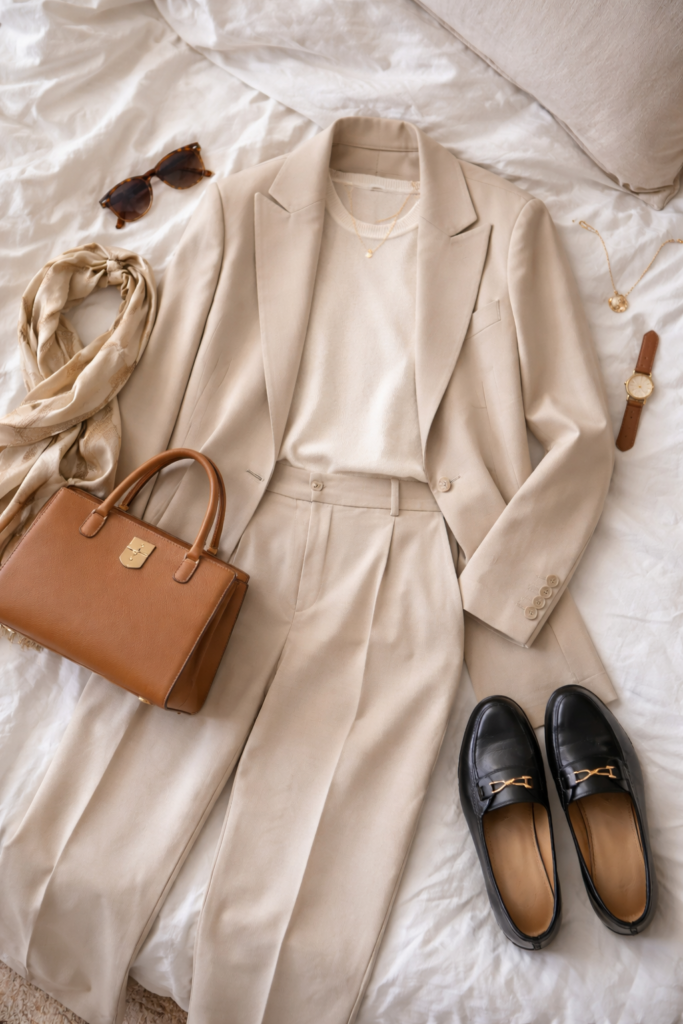
Key Style Traits of the Old Money Aesthetic
If you’re trying to build an old money wardrobe, these traits are non-negotiable.
1. Neutral Colour Palette
The foundation of old money fashion is a cohesive, muted colour scheme:
- Beige
- Camel
- Navy
- White
- Ivory
- Grey
- Black
- Soft brown
Bright colours and loud prints rarely appear.
2. Timeless Silhouettes
Old money outfits rely on classic tailoring:
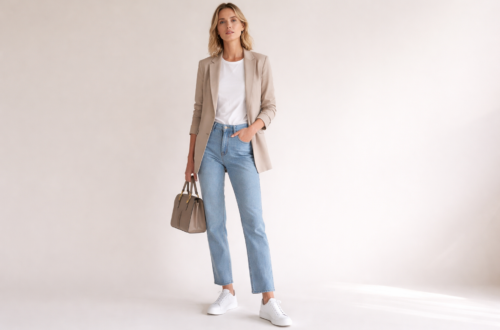
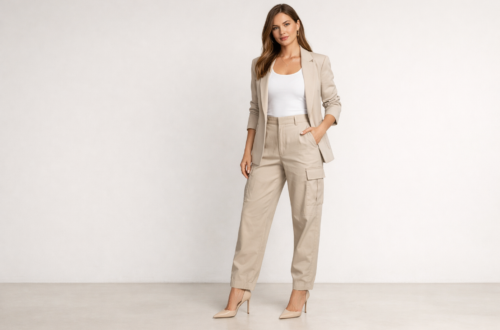
- Structured blazers
- Straight-leg trousers
- Pleated pants
- Midi skirts
- Trench coats
- Wool overcoats
- Knit sweaters
Nothing is extreme. Nothing is experimental.
3. High-Quality Fabrics (or High-Looking Fabrics)
Natural fibres elevate the aesthetic:
- Cotton
- Linen
- Wool blends
- Cashmere
- Silk
Even on a budget, look for weight and structure in fabric.
4. Repetition & Consistency
A defining characteristic of old money aesthetic is repetition. The same silhouettes are worn repeatedly. The same handbag appears often. Outfits feel cohesive.
Consistency creates credibility.
5. Subtle Accessories
Pearls. Fine gold chains. Leather belts. Structured bags. Loafers.
Main Wardrobe Items Needed for the Old Money Aesthetic
If you want to build a capsule wardrobe inspired by old money style, start with these essentials:
- Tailored blazer (navy, black, beige)
- Crisp white button-down shirt
- Neutral knit sweater
- Straight-leg or pleated trousers
- Midi skirt
- Classic trench coat
- Long wool coat
- Leather loafers
- Ballet flats
- Structured leather handbag
These pieces mix effortlessly and create dozens of refined outfits.
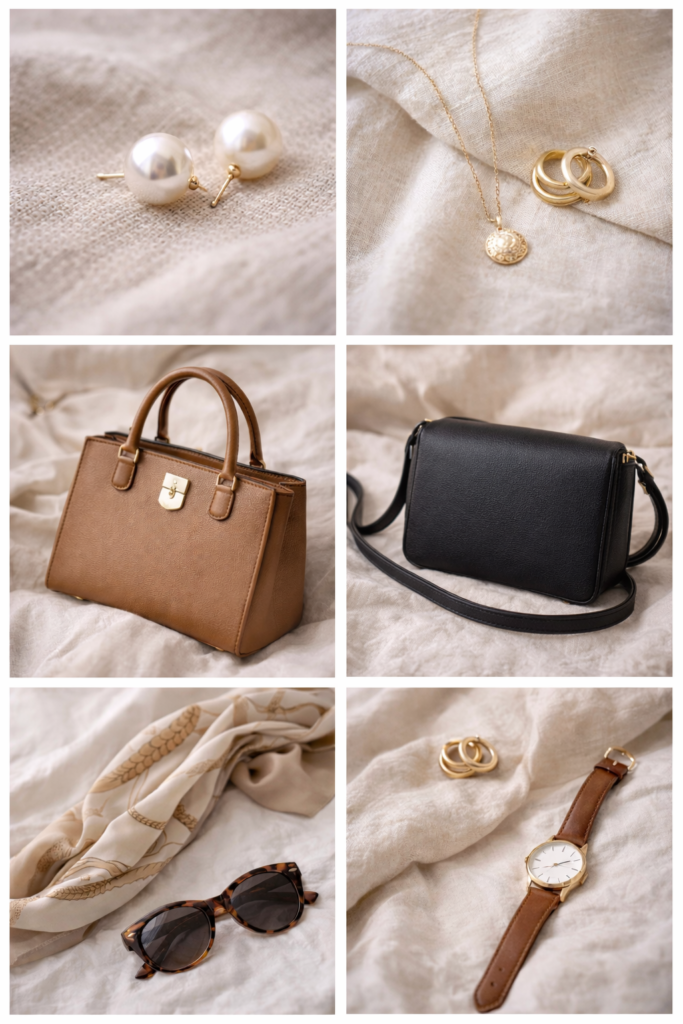
Accessories That Complement Old Money Aesthetic
Accessories should be subtle and timeless.
Jewellery
- Pearl stud earrings
- Small gold hoops
- Fine chain necklace
- Classic watch
- Simple signet ring
Bags
- Structured leather tote
- Minimal shoulder bag
- Top-handle bag
Shoes
- Leather loafers
- Ballet flats
- Low heels
The rule: if the accessory demands attention, it doesn’t belong.
What to Avoid When Dressing Old Money
To truly embody the old money aesthetic, avoid:
- Visible designer logos
- Trend-driven silhouettes
- Chunky platform shoes
- Excessive layering
- Bright seasonal colours
- Over-accessorising
If it feels like it was purchased for social media impact, it likely isn’t aligned with old money style.
How to Replicate Old Money Aesthetic on a Budget
Good news: this is one of the most budget-friendly aesthetics to recreate.
Why? Because it rejects excess.
Here’s how:
1. Stick to Neutrals
Avoid trendy colours. A cohesive colour palette instantly elevates budget pieces.
2. Focus on Fit
Tailoring transforms affordable pieces.
3. Thrift Strategically
Look for:
- Wool blazers
- Silk scarves
- Leather belts
- Classic coats
Older garments often have better construction.
4. Avoid Trend Sections
Focus on classic staples instead of seasonal displays.
5. Repeat Your Outfits
Rewearing outfits is not a flaw – it’s the foundation of the aesthetic.
Old money style rejects excess, which makes it inherently budget-friendly.
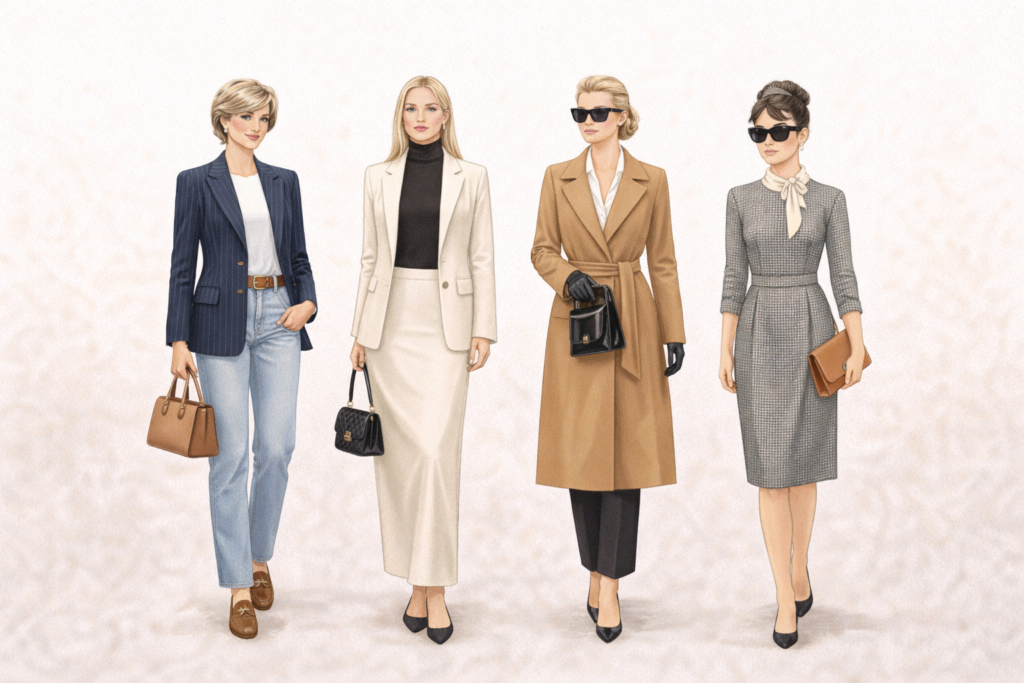
5 Celebrities Who Embody Old Money Aesthetic
Carolyn Bessette-Kennedy
She defined minimalist old money style with neutral slip dresses, tailored coats, and barely-there jewellery. Her restraint made her iconic.
Grace Kelly
Her structured silhouettes, silk scarves, and poised composure embodied aristocratic elegance.
Princess Diana
Her off-duty looks – blazers, straight jeans, loafers – showed how repetition and balance create timeless appeal.
Audrey Hepburn
Minimalist dresses, ballet flats, and understated glamour made her a long-standing reference for refined dressing.
Lauren Bacall
Sharp tailoring, muted palettes, and quiet confidence defined her aesthetic.
What They All Have in Common
- Neutral wardrobes
- Tailored silhouettes
- Minimal jewellery
- No reliance on logos
- Repeated outfit formulas
- Composed body language
They never looked like they were chasing trends – and that’s why their style endures.
Final Thoughts: Why Old Money Aesthetic Endures
Longevity over trends and composure over attention.
But here’s the honest truth:
It may not be for everyone – and that’s perfectly okay.
If you love bold colours, statement accessories, or trend experimentation, you don’t need to abandon that. Personal style is about alignment, not imitation.
The old money aesthetic works best for those who value restraint, repetition, and classic tailoring. If that resonates, it can become a beautifully sustainable way to dress.
And if it doesn’t? That’s fine too.
Style should feel authentic – not adopted.
Timeless elegance is powerful. But so is individuality.
Choose what feels like you.
Leave a Reply