Finding your personal style is one of those ideas that sounds effortlessly chic in theory – and mildly overwhelming in practice. Somewhere between trend cycles, TikTok aesthetics, and closets full of clothes we technically like, many women reach the same conclusion: I don’t know what my style is anymore.
The good news? You don’t need a total wardrobe reset, a dramatic declutter, or a brand-new identity to find your personal style. In fact, starting over is often what causes the confusion in the first place.
Your personal style isn’t something you invent from scratch. It’s something you uncover, refine, and learn to trust.
This guide will help you uncover your style in a way that feels realistic, modern, and – most importantly – wearable. No dramatic closet purge. No identity crisis. Just clarity.
What Personal Style Actually Is (And What It Isn’t)
Before we get into the how, let’s clear something up.
Personal style is not:
- Copying an influencer’s aesthetic head to toe
- Dressing for a lifestyle you don’t actually live
- Owning trendy pieces you rarely reach for
- Reinventing yourself every season
Personal style is:
- What you wear on an average day
- What makes you feel confident without trying too hard
- What fits your lifestyle, comfort, and preferences
- What you naturally repeat
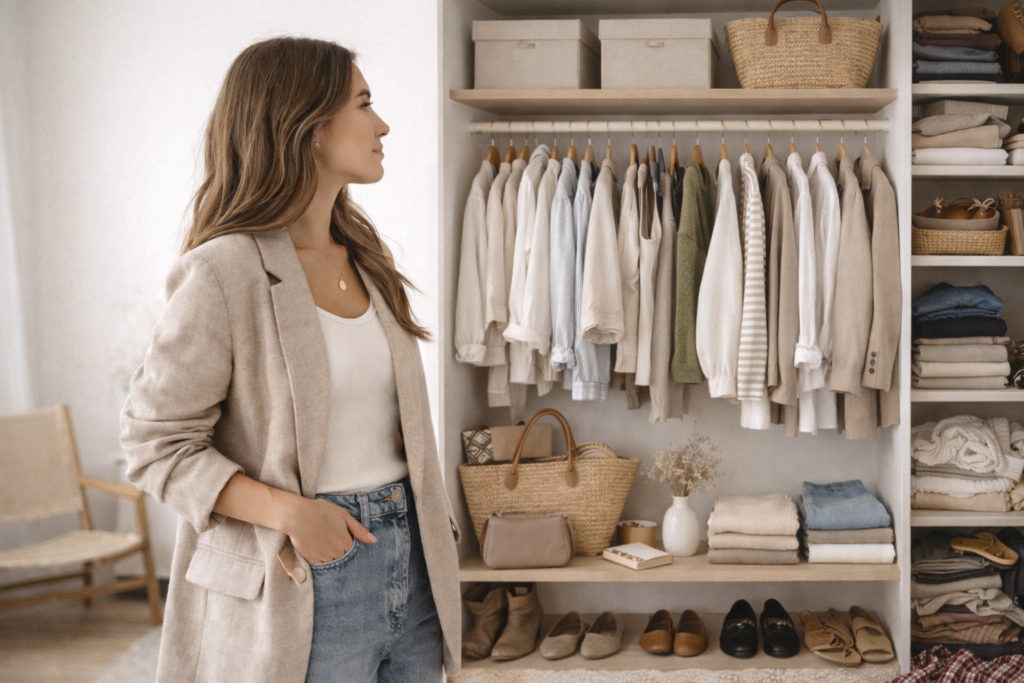
Think of finding your personal style less like a makeover and more like an edit. Personal style is consistent. And most importantly, it works in real life.
When style advice feels stressful, it’s usually because it’s asking you to become someone else. This approach does the opposite – it brings you back to yourself.
Step 1: Audit What You Actually Wear (Not What You Own)
If you want to find your personal style, start with data – not Pinterest.
The easiest way to find your personal style is to stop looking outward and start looking inward – specifically, at your most worn clothes.
Ask yourself:
- What do I grab when I’m short on time?
- What outfits make me feel instantly put together?
- What items do I wash and re-wear constantly?
- What items would I repurchase if they disappeared today?
Those pieces are telling you the truth.
If you consistently reach for relaxed trousers over skinny jeans, that’s a clue.
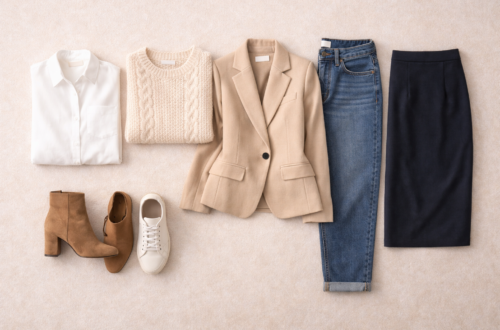
If you consistently wear neutral knits, relaxed trousers, and flat shoes, that’s not a coincidence. It’s your style speaking clearly.
Personal style reveals itself through repetition – not intention.
Step 2: Identify Patterns, Not Aesthetics
You don’t need to label yourself as clean girl, old money, Scandi minimalist, or French chic to have a strong personal style. Those labels are fun – but they’re not necessary.
Instead, look for patterns in your wardrobe.
Pay attention to:
- Colours: neutrals, earthy tones, pastels, monochrome
- Silhouettes: oversized, tailored, fitted, relaxed
- Textures & fabrics: knits, denim, linen, leather, cotton, silk
- Details: buttons, structure, waist definition, simplicity, minimal hardware
Once you notice these patterns, your style starts to feel obvious – in the best way.
Patterns reveal your style DNA. Labels just decorate it.
If your wardrobe feels disconnected, it’s often because purchases were made outside these natural patterns – usually driven by trends or impulse.
Step 3: Separate “Real Life Style” From “Fantasy Style”
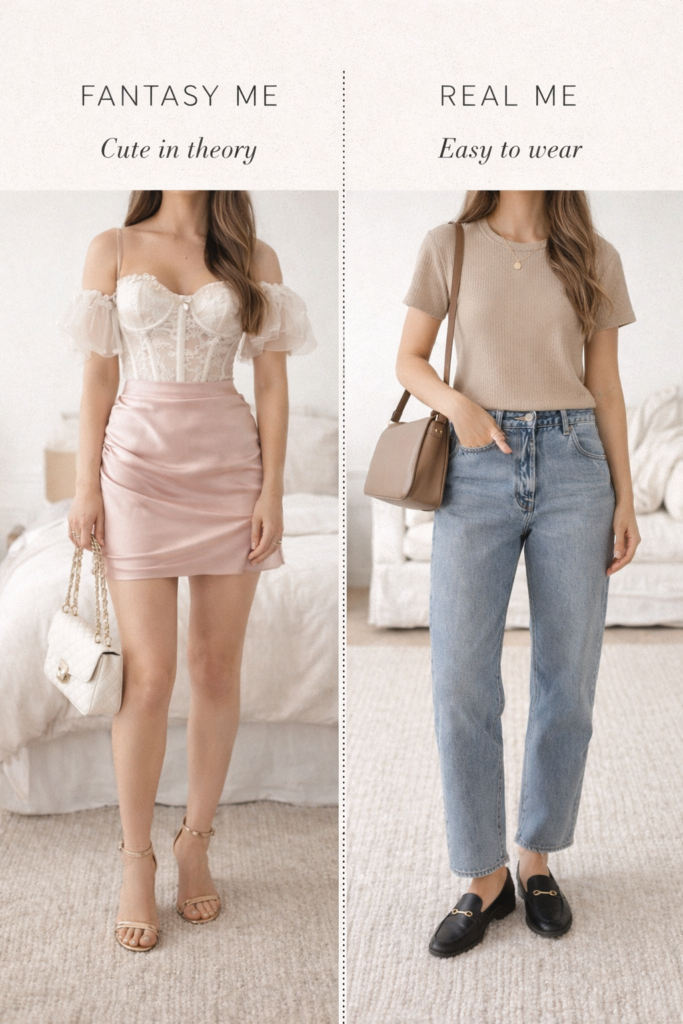
This is where things get honest.
Every closet has two categories:
- Real Me Clothes
- Fantasy Me Clothes
Fantasy Me Clothes are the ones you love in theory:
- “I’ll wear this when I go out more”
- “This is cute but I never reach for it”
- “I want to be someone who wears this”
Real-life clothes are worn on repeat:
- They fit your daily routine
- They’re comfortable and confidence-boosting
- They don’t require overthinking
Your personal style lives with real you – not the version of you with an imaginary schedule and endless social plans.
You don’t need to get rid of every fantasy piece. Just stop using them as inspiration for future purchases.
Step 4: Define Your Personal Style Words
Instead of chasing trends, create a personal style filter using 3 to 5 descriptive words.
These words act as a decision-making tool for outfits, shopping, and wardrobe edits.
Examples:
- effortless · neutral · polished
- feminine · soft · wearable
- tailored · minimal · elevated
- relaxed · modern · unfussy
When you know your words, everything becomes clearer.
Before buying something new, ask:
“Does this align with at least 2 to 3 of my style words?”
If the answer is no, it’s likely not a long-term piece for you – no matter how trendy it is.
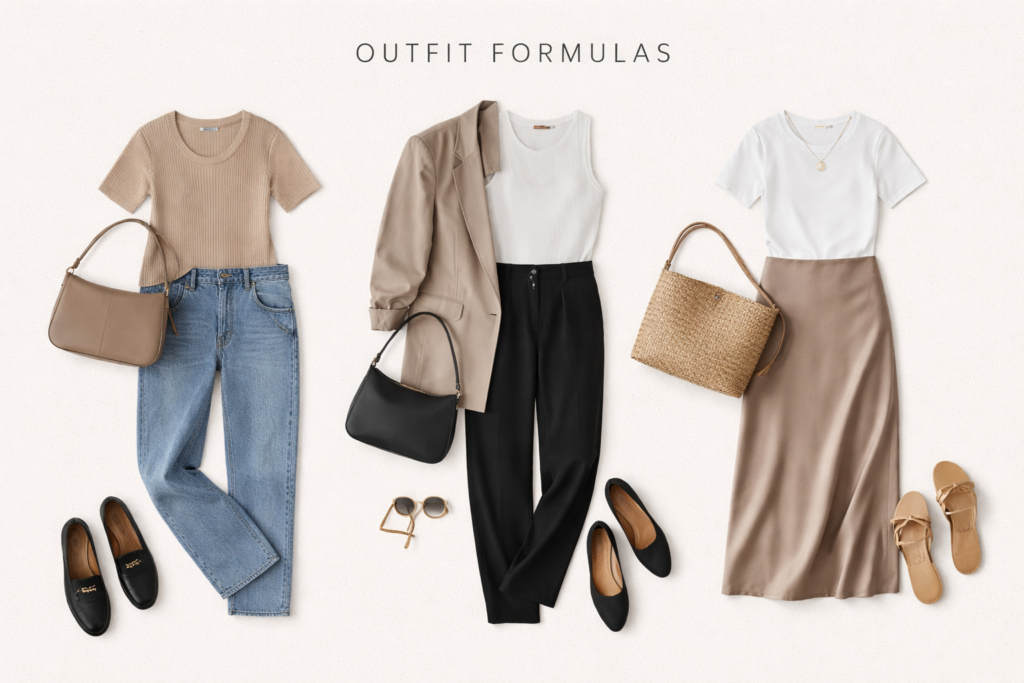
Step 5: Build Outfit Formulas (This Is the Secret Sauce)
Personal style becomes effortless when you stop starting from zero every morning.
Outfit formulas are combinations you know work for you.
Examples of everyday outfit formulas:
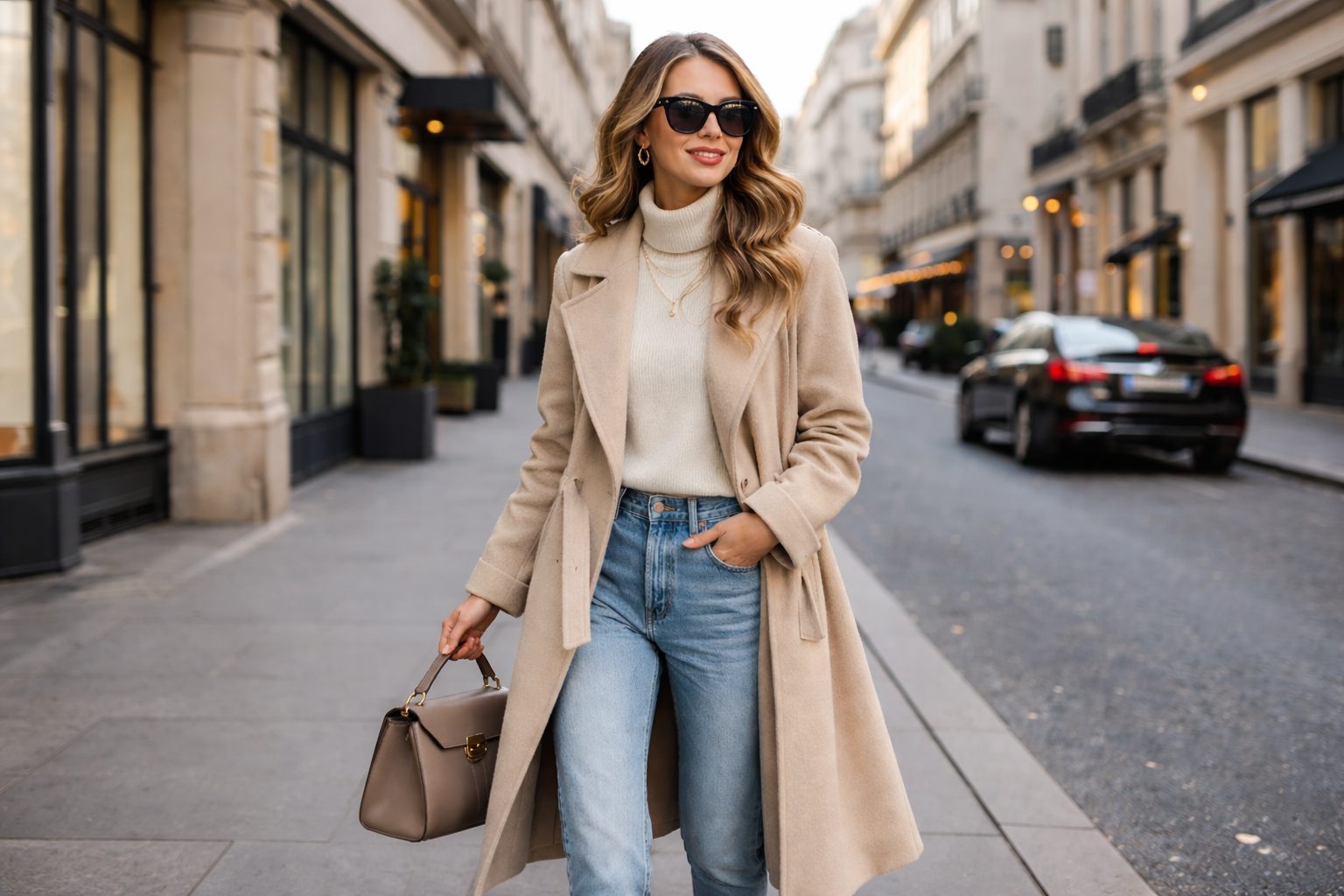
- Knit top + straight-leg jeans + loafers
- Oversized blazer + tank + trousers
- Midi skirt + fitted tee + flats
- Relaxed button-down + denim + sneakers
When you rely on formulas:
- Getting dressed takes less time
- Shopping becomes intentional
- Your outfits feel cohesive
- Your wardrobe feels functional, not chaotic
Style isn’t about having more clothes – it’s about knowing how to use the ones you have.
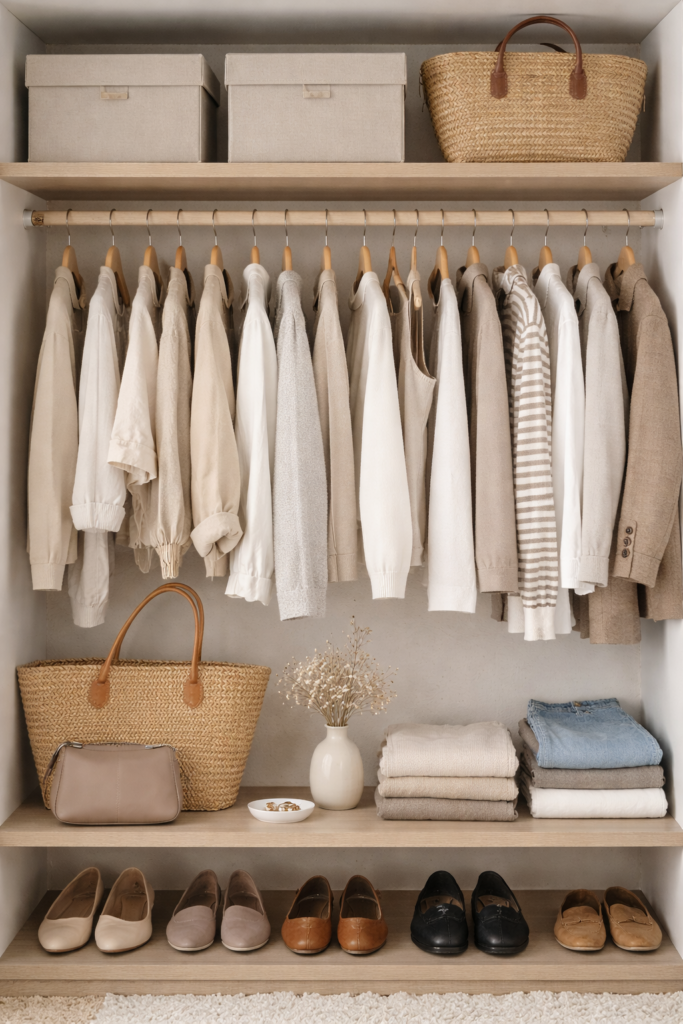
Step 6: Edit Your Wardrobe Gently (No Drastic Purge Required)
You don’t need to declutter your entire wardrobe to refine your style.
Instead, try a soft edit:
- Move rarely worn items to the back
- Keep everyday favourites visible and accessible
- Notice what you naturally reach for – and what you don’t
Over time, clarity builds naturally.
A closet full of “almost” pieces creates decision fatigue. A smaller collection of reliable favourites creates ease.
Step 7: Shop With Intention (Not Emotion)
One of the biggest barriers to finding personal style is emotional shopping.
This often looks like:
- Buying for a future version of yourself
- Shopping during boredom or stress
- Purchasing trendy items without considering your wardrobe
Before buying anything new, ask:
- Do I already own something similar?
- Can I style this at least three different ways?
- Does this fit my current lifestyle?
- Does this support my outfit formulas?
Intentional shopping doesn’t make fashion boring – it makes it effective.
Step 8: Let Your Style Evolve (Without Starting Over)
Your style is allowed to change.
It should evolve with:
- Your job
- Your lifestyle
- Your comfort
- Your priorities
Refinement doesn’t mean failure. It means growth.
If something no longer feels like you, that doesn’t erase your past style – it just updates it.
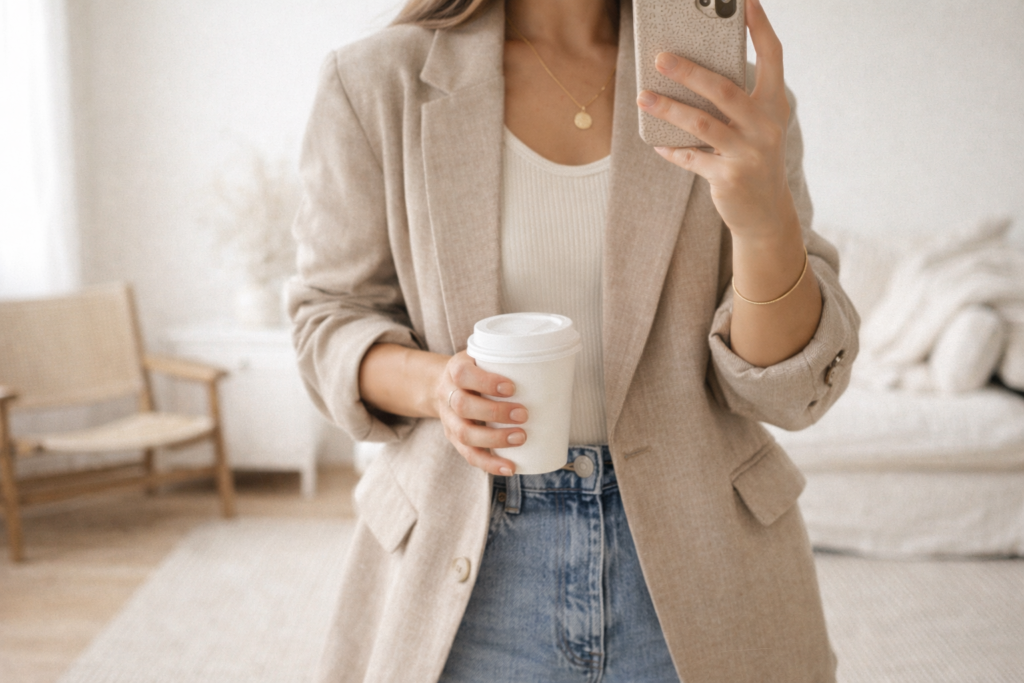
Why Personal Style Should Feel Easy
The goal of personal style isn’t to impress strangers or look perfect online. It’s to feel like yourself – consistently.
When your style aligns with who you are:
- Getting dressed feels simple
- Shopping feels purposeful
- Outfits feel natural, not forced
That ease is the real marker of good style.
Final Thoughts
Finding your personal style doesn’t require a reinvention. It requires honesty.
Honesty about what you wear.
Honesty about how you live.
Honesty about what makes you feel confident.
Your style already exists.
You’re just learning how to recognise it.
Leave a Reply