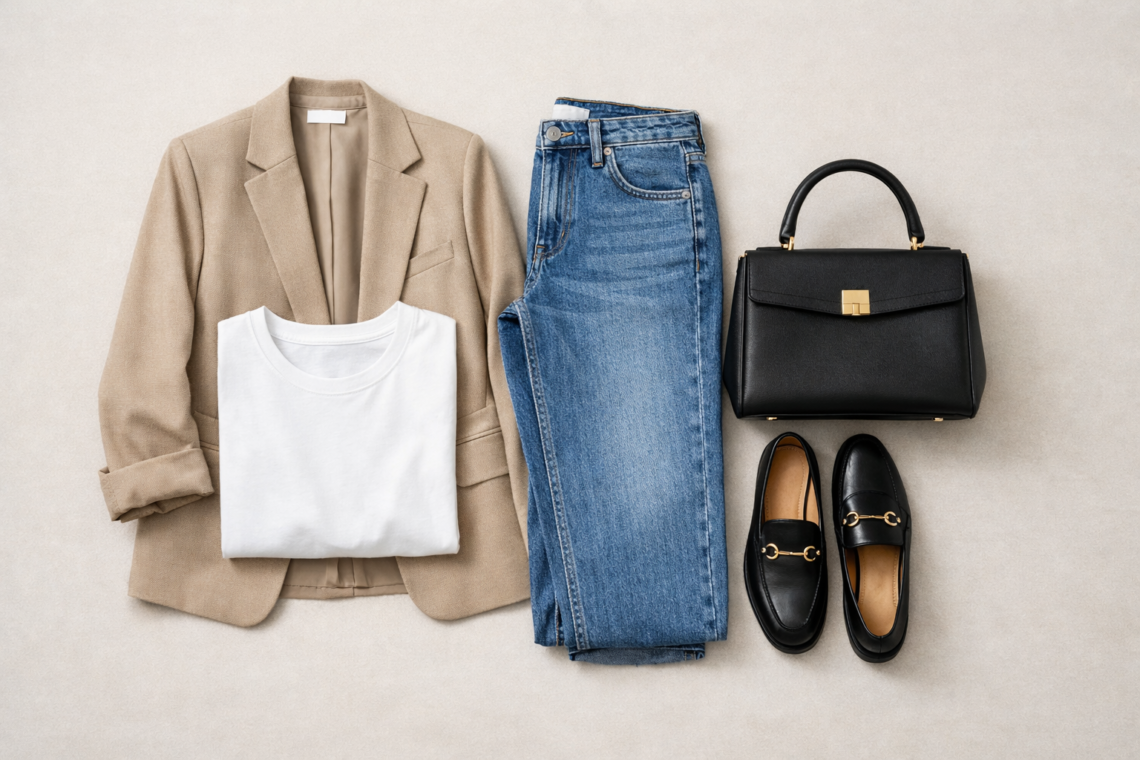
Lately, I’ve been thinking a lot about my wardrobe.
Not in a dramatic, “I need to reinvent my entire style” kind of way but more in that quiet, slightly frustrating way that creeps in when you realise you keep reaching for the same few outfits… while everything else just sits there.
You know the feeling.
Your wardrobe is full, but somehow it doesn’t feel useful.
There are pieces you liked once, things you bought for a specific moment, trends that felt exciting at the time-but now? They’re just… there. Taking up space. Not really earning their place.
And if I’m being honest, I realised something:
I don’t actually need more clothes. I need better outfits.
That thought alone changed everything.
Because instead of asking “what should I buy next?”
I started asking:
“What do I actually wear on a busy Tuesday morning?”
“What do I reach for when I don’t have time to think?”
“What pieces make getting dressed feel easy?”
And almost every time, the answer came back to basics- literally.
Simple pieces. Reliable pieces. The ones that quietly work in the background.
So this post is really me figuring it out in real time- how to style basics in a way that actually feels good, looks intentional, and most importantly… makes getting dressed easier.
Because if I’m going to clean out my wardrobe and rebuild it with more intention, I want to make sure the pieces I keep (and the ones I bring in) actually work.
What Are Basics in Fashion?
Before we get into styling, it helps to define what we actually mean by “basics” because it’s one of those terms that gets thrown around a lot.
Basics are the pieces that sit at the core of your wardrobe.
They’re usually:
- simple in design,
- neutral in colour,
- easy to mix and match, and
- not trend-driven.
They’re the items you don’t have to think too hard about.
The ones that just… make sense.
Common wardrobe basics include:
- white T-shirts and tanks,
- button-down shirts,
- straight-leg or wide-leg jeans,
- tailored trousers,
- midi and maxi skirts,
- simple knitwear,
- blazers,
- neutral dresses, and
- classic shoes like sneakers, loafers, or boots.
Individually, they might not feel that exciting.
But together?
They’re where everything starts.
Why I’m Focusing on Basics Right Now
This whole deep dive into basics didn’t come out of nowhere.
It started with a wardrobe clean-out.
The kind where you pull everything out, try things on, and have that moment of “why don’t I wear this anymore?”
And the answer, more often than not, was:
- it didn’t go with anything else,
- it only worked for one specific type of outfit, and
- it felt slightly “off” every time I put it on.
Which made me realise something important – versatility matters more than variety.
Having lots of clothes isn’t the same as having lots of outfits.
And if I want to build a wardrobe that actually works for my day-to-day life-especially those busy, on-the-go mornings where I don’t have time to experiment, I need pieces that:
- go with everything,
- layer easily, and
- can be styled in multiple ways without overthinking it.
That’s exactly what basics do.
They give you options without adding overwhelm.
They help you build go-to outfits-the kind you can rely on when you’re running out the door but still want to feel put together.
How to Style Basics (So They Actually Work for You)
1. Start with a Strong, Simple Base
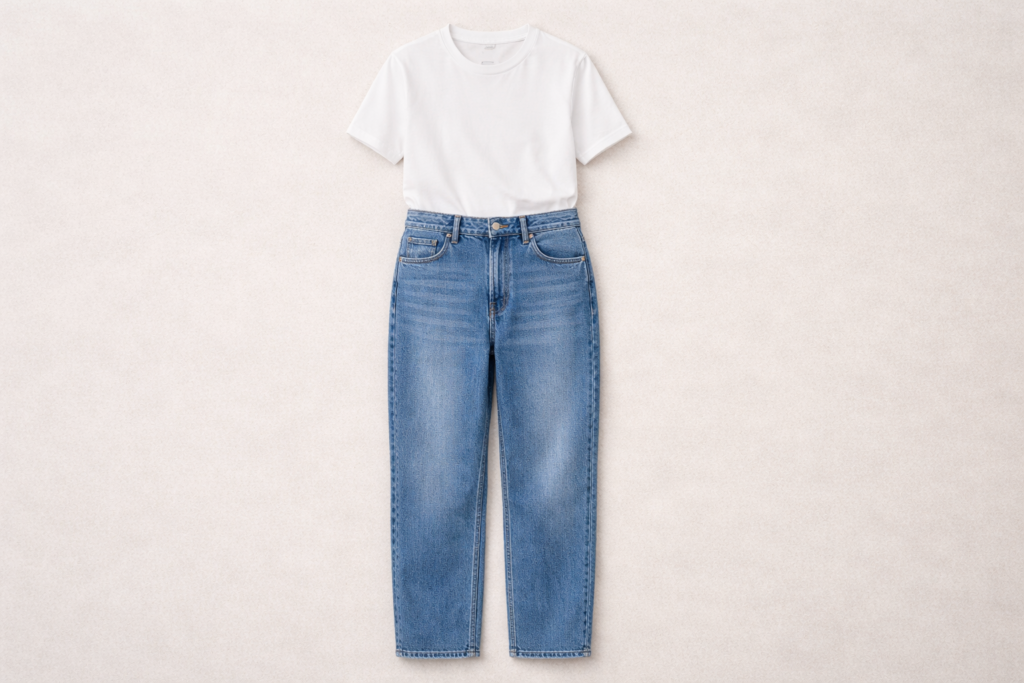
This is where everything begins.
And honestly, this is the easiest part.
Most outfits can be broken down into something simple like:
- a T-shirt and jeans,
- a tank and trousers, or
- a knit and a skirt.
Instead of trying to build a full outfit straight away, just start here.
Think of it as your blank canvas.
You don’t need it to be interesting- you just need it to be clean and balanced.
2. Add One Piece That Elevates Everything
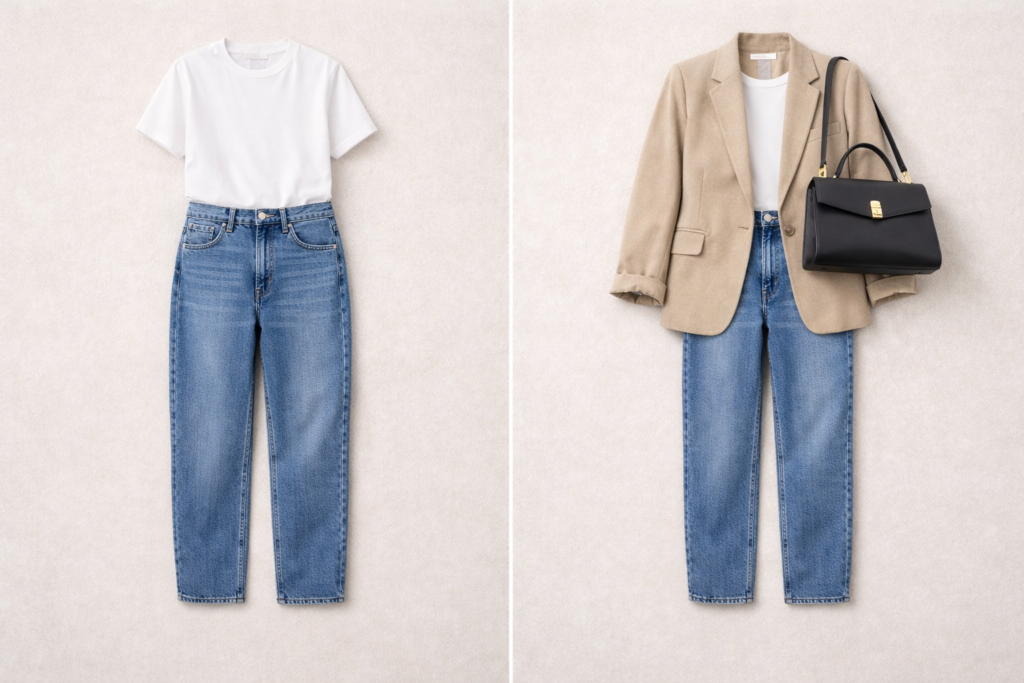
This is the step that makes your outfit feel intentional.
Adding one slightly more polished piece can completely change how everything looks.
It might be:
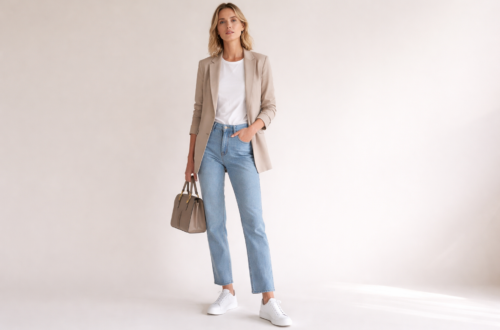
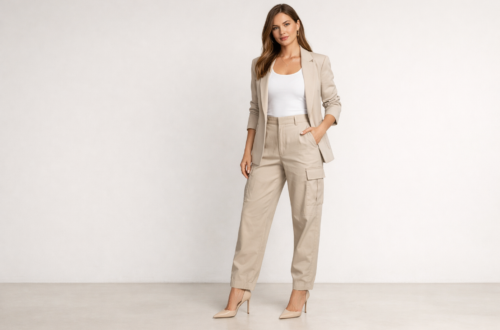
- a structured blazer,
- a tailored coat,
- a leather handbag, or
- a pair of loafers.
It doesn’t need to be complicated.
Just slightly more refined than the rest of your outfit.
3. Use the Third Piece Rule (When Something Feels Missing)
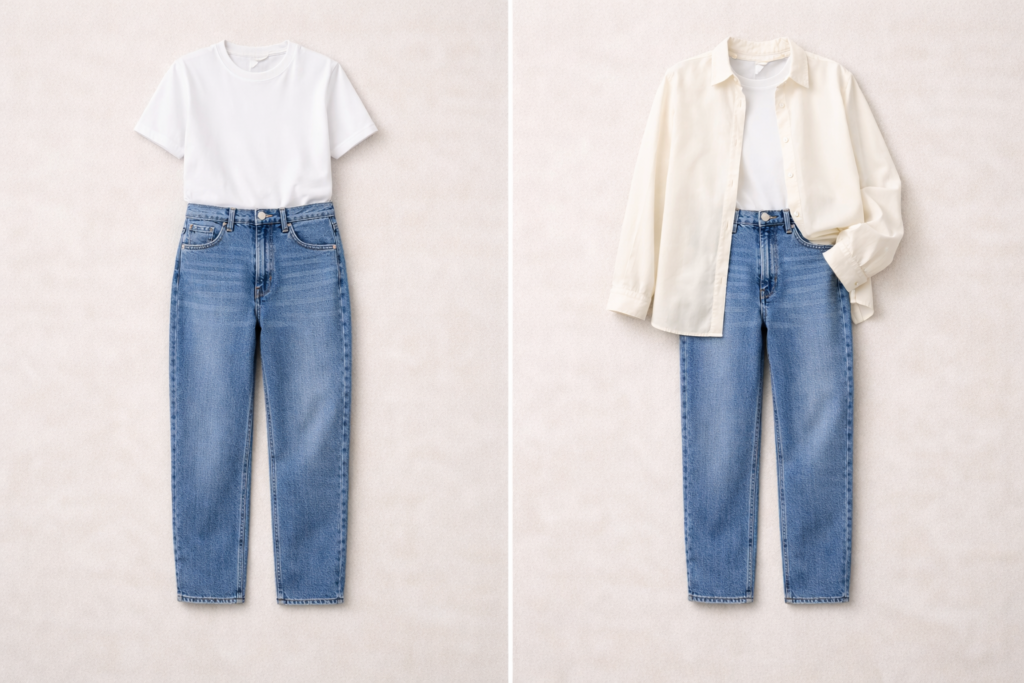
This is the trick I come back to the most.
If an outfit feels unfinished, it’s usually because it needs a third piece.
Something layered:
- a blazer,
- an open shirt,
- a jacket, or
- a knit draped over your shoulders.
It adds depth and makes everything feel more considered.
4. Pay Attention to Fit (It Changes Everything)
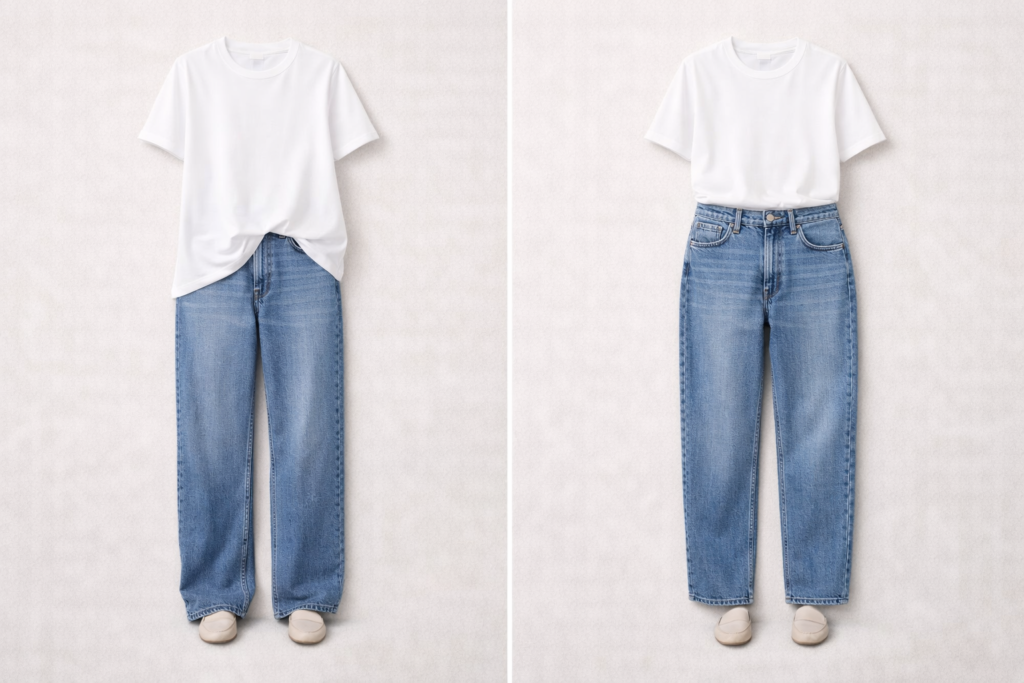
This is one of those subtle things that makes a big difference.
Two people can wear the exact same outfit-and it can look completely different depending on how it fits.
A few things I’ve been paying more attention to:
- balancing oversized pieces with something more fitted,
- tucking or half-tucking tops,
- rolling sleeves, or
- adjusting proportions slightly.
It’s these small tweaks that take an outfit from “fine” to intentional.
5. Keep Your Colours Easy to Work With
One thing I’ve noticed while editing my wardrobe is how much easier it is to get dressed when the colours work together.
Neutrals make this simple- try:
- white,
- black,
- beige,
- denim, or
- grey.
You don’t have to think too hard- they just go.
And on busy mornings, that matters.
6. Let Accessories Finish the Outfit
This is where your outfit starts to feel complete.
Even something simple can feel styled with:
- a structured bag,
- sunglasses,
- a belt, or
- simple jewellery.
It doesn’t need to be a lot.
Just enough to make it feel finished.
7. Choose Shoes Based on the Mood
Shoes are often the last thing we think about-but they change everything.
The same outfit can feel:
- relaxed with sneakers,
- polished with loafers,
- elevated with boots, or
- dressed up with heels.
It’s one of the easiest ways to shift your look.
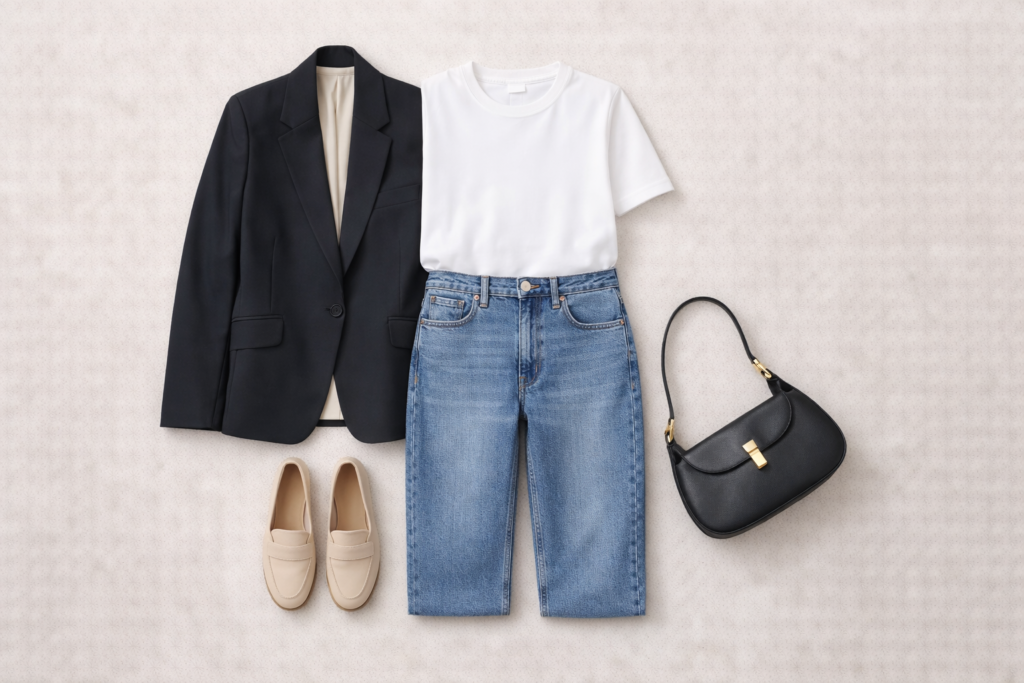
Easy Go-To Outfits Using Basics
These are the kinds of outfits I’m trying to build more of -simple, reliable, and easy to reach for.
1. The Everyday Uniform
- white T-shirt
- straight-leg jeans
- sweater
- loafers
- structured handbag
2. The “I Don’t Have Time” Outfit
- tank top or oversized shirt
- tailored trousers
- sandals
3. The Minimal Elevated Look
- knit sweater
- midi skirt
- ankle boots
4. The Off-Duty Go-To
- oversized shirt
- jeans
- sneakers
- sunglasses
5. The Smart Casual Default
- white T-shirt
- tailored trousers
- blazer
- flats
Final Thoughts
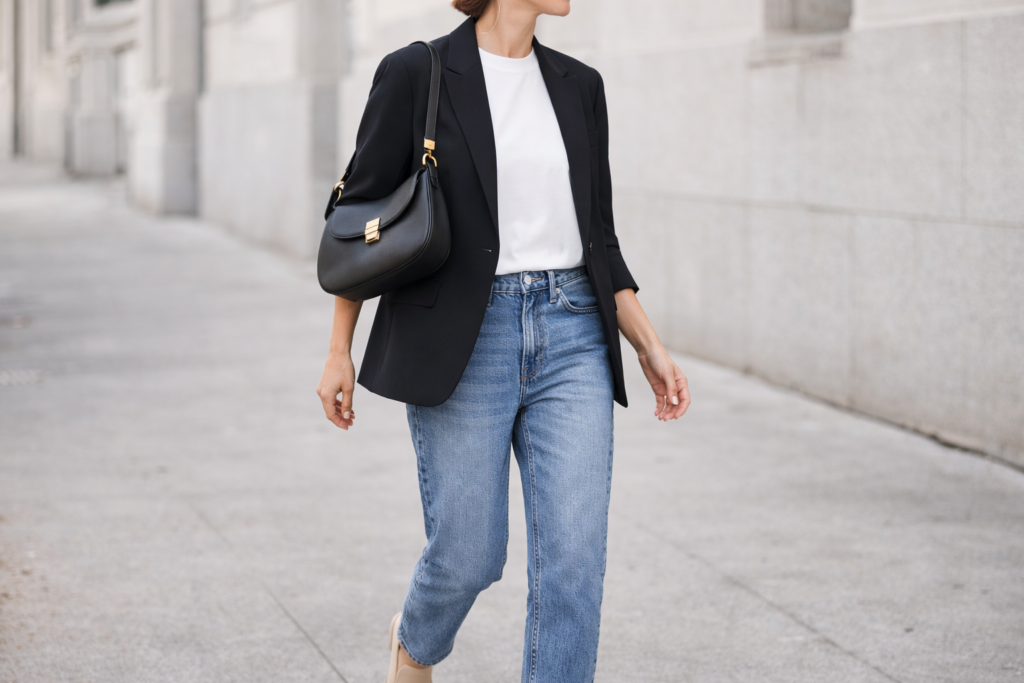
If you’re in that same place- editing your wardrobe, trying to be more intentional, wanting to simplify things without losing your sense of style, this is such a good place to start.
What I’m starting to realise through all of this is that styling basics isn’t about making them more exciting.
It’s about making them more useful.
It’s about creating outfits you can rely on- outfits that work when:
- you’re in a rush,
- you don’t want to think, and
- you still want to feel like yourself.
Because at the end of the day, that’s what a good wardrobe should do.
Not overwhelm you.
Not confuse you.
Just… support you.


Leave a Reply