Quick Answer
Slow fashion is an approach to clothing that focuses on quality, longevity, and ethical production rather than trends and mass consumption. It encourages buying fewer, better-made pieces that are designed to last.
Slow fashion doesn’t mean your wardrobe has to be boring or restrictive. It simply means being more intentional. You can still enjoy trends – but instead of constantly replacing your wardrobe, you integrate them thoughtfully alongside timeless pieces.
A Closer Look
Slow fashion is seen as the opposite of fast fashion. Instead of rapidly producing trend-driven clothing at low cost, slow fashion prioritises thoughtful design, responsible sourcing, and mindful consumption.
Here’s what defines it:
1. Quality Over Quantity
Slow fashion pieces are made to last – not just for one season, think:
- Durable fabrics
- Timeless silhouettes
- Strong construction
The goal is to build a wardrobe that doesn’t need constant replacing.
2. Ethical Production
Slow fashion brands typically focus on:
- Fair wages and safe working conditions
- Transparent supply chains
- Smaller, more intentional production runs
It’s about knowing who made your clothes and under what conditions.
3. Sustainability
This approach considers the environmental impact of clothing, including:
- Use of eco-friendly or recycled materials
- Reduced waste and overproduction
- Lower carbon footprint
Many slow fashion brands also promote repair, reuse, and recycling.
4. Timeless Style
Instead of chasing trends, slow fashion leans into:
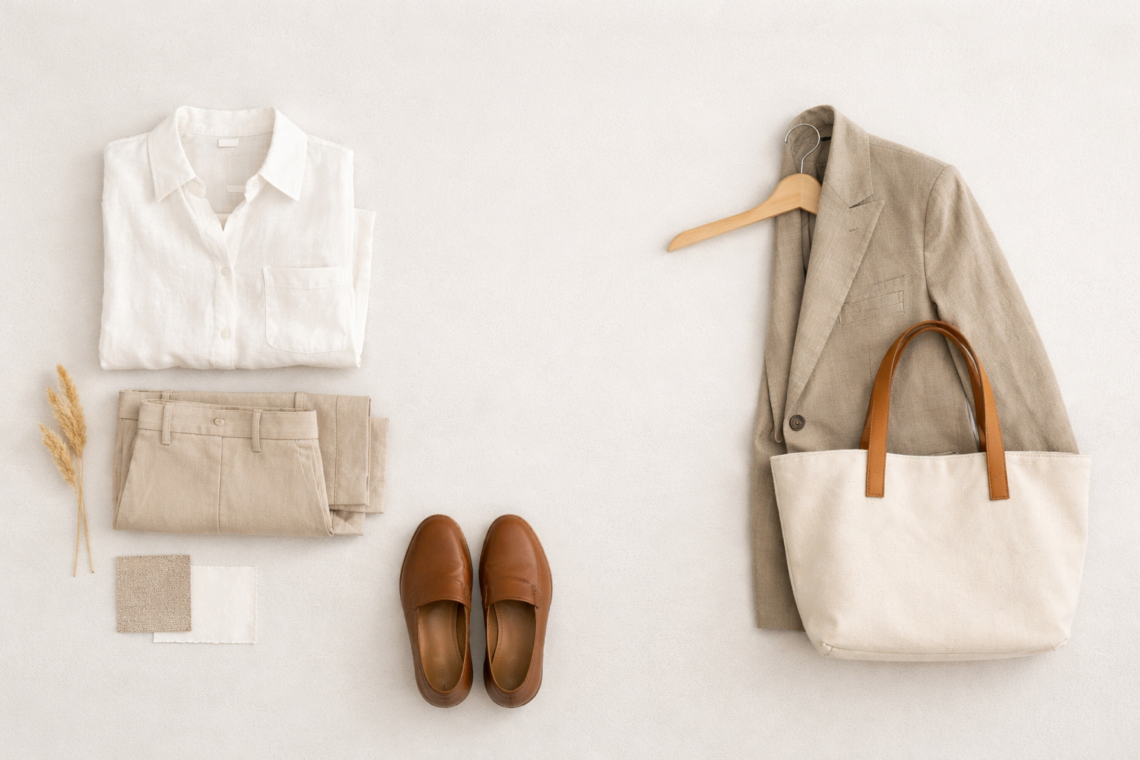
- Neutral colour palettes
- Classic wardrobe staples
- Pieces that can be styled multiple ways
This makes getting dressed easier and more consistent.
5. Mindful Consumption
At its core, slow fashion is about changing how we shop:
- Buying less and prioritising quality
- Choosing pieces you truly love and will wear often
- Investing in versatility


Leave a Reply